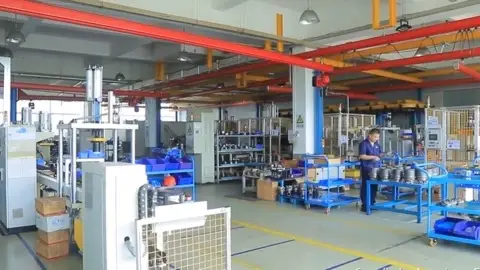
Engine faults are expensive to guess at. Kyotechs' engine solution therefore starts with diagnosis on the platform built for the engine in question, and only then moves to the refit or rebuild decision. The service is published on the official website with the diagnostic line-up below — each platform is named with the engines and machines it covers.
Documented Diagnostic Platforms
| Platform | Covers (as published) |
|---|---|
| ET (Electronic Technician) | Caterpillar engines |
| Inline 6 | Cummins and Komatsu engines, Hyundai excavators |
| IDSS | Isuzu engines; Hitachi, Case, Sany, Sumitomo, JCB and XCMG excavators; Isuzu trucks |
| DX2 | Hino engines, Kobelco excavators, Hino trucks |
| VCOM | Volvo engines, Volvo trucks, Volvo Penta |
The Process, as Published
| Step | What happens |
|---|---|
| 01 — Nameplate and model | The customer provides the engine nameplate details and machine model for an initial check. |
| 02 — Refit option | Parts suitable for the machine are sourced and refitted; the engine undergoes starting testing, and videos of the starting process are provided. |
| 03 — Rebuild option | The used engine is opened, internal parts checked and broken components replaced; the engine is starting-tested, the exterior repainted, and starting videos provided. |
The parts side of engine work lives on the engine parts, fuel injector and turbocharger pages — crankshafts, heads, injectors and turbos are the components a rebuild most often consumes, and their documented listings are the ones quoted against a rebuild. As with the hydraulic service, no fixed repair period is promised here: the schedule for your engine is confirmed after diagnosis, in writing.
Frequently Asked Questions
Which engines can you diagnose?
The five platforms above cover Caterpillar, Cummins, Komatsu, Isuzu, Hino and Volvo engines and the machines listed with them. If your engine is outside that list, say so in the enquiry — the answer will be plain about whether the service fits.
What evidence do I get that the rebuilt engine runs?
Starting-test videos are a published part of both the refit and rebuild routes. The engine is starting-tested before the work is signed off, and the video is provided to the customer.
My engine problem might just be injectors. Where do I start?
With diagnosis, not with a parts order. The injector page sets out the checks that separate an injector fault from a fuel-supply fault; the diagnostic platforms here settle it.
Diagnosis Before Disassembly
The platforms listed above exist to answer one question before any spanner work: is the fault mechanical, fuel-side, electrical or software? An engine that cranks without starting can be any of the four, and each has a different bill attached. The diagnostic session reads fault codes and live data, and its result decides whether the job becomes an injector set, a harness repair, a software intervention or a rebuild. That ordering is the economic heart of the service — it is also why the enquiry asks for the nameplate and the symptoms together. Engines that arrive with a diagnosis already done move straight to the refit-or-rebuild decision; engines that arrive as guesses get diagnosed first, and the customer hears the finding before any parts are sold against it.
Turnaround honesty applies here as much as scope honesty: a rebuild's duration depends on what inspection finds — a crankshaft needing machining or a block needing boring adds workshop stages that cannot be quoted before the engine is open. The sequence this service publishes handles that correctly: diagnosis first, evidence second, then a rebuild scope and schedule stated against the findings, rather than a fast promise made blind and revised later.